Let's Explore
Top Attractions

There's something for everyone! Whether you're looking for engaging experiences, local discoveries, or a chance to relax, you'll find plenty to enjoy during your visit. Visit these top attractions and create lasting memories.

  • List View
  • Map View
Modern Attraction
Land Gate
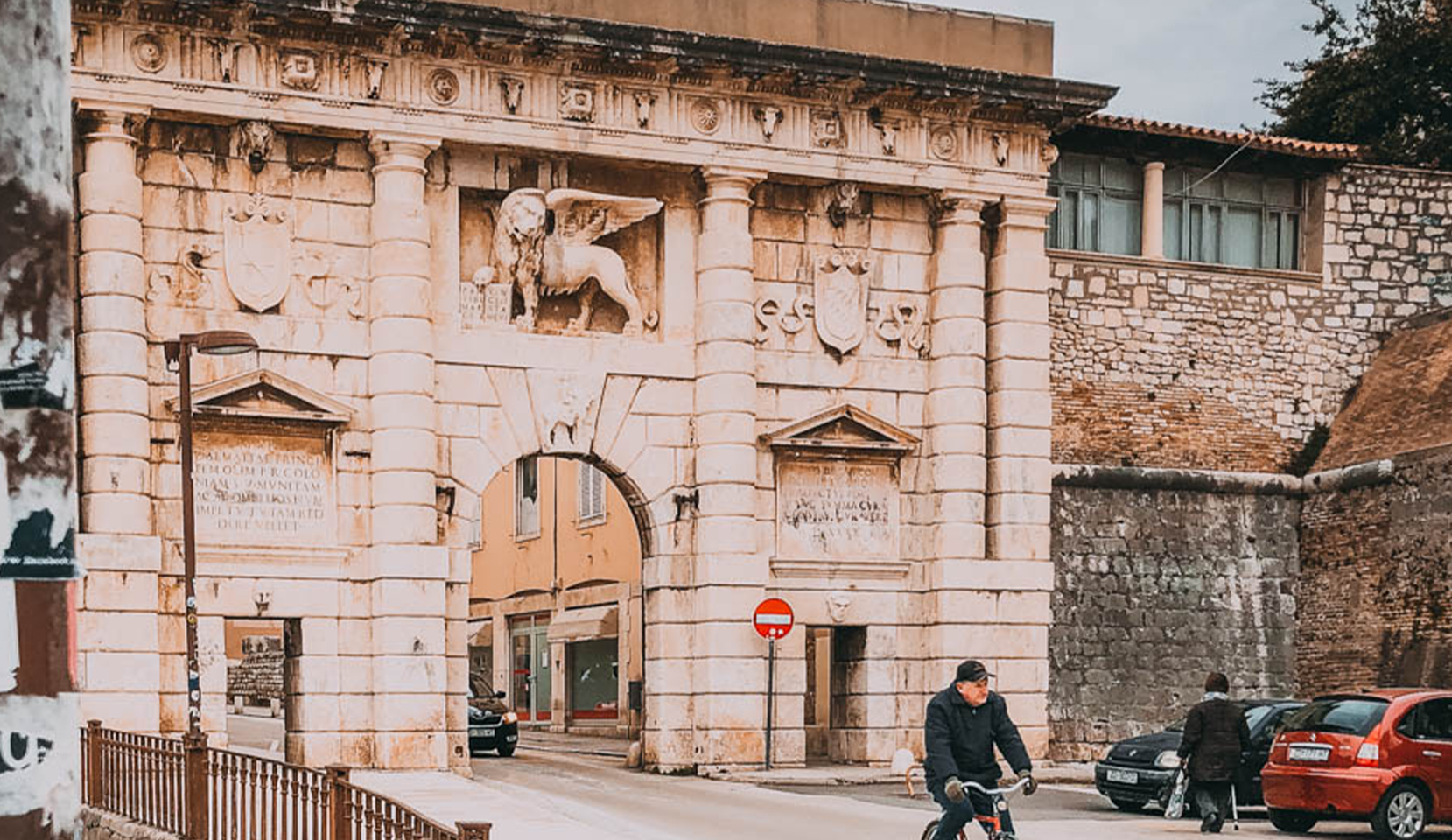
The best-known of the gates along the walls that ring Zadar is the Land Gate, once the main entrance to the city. If you only have time to see one of the gates—the Sea Gate, the Bridge Gate, and St. Rocco's Gate are also popular—this is the one. Located by the Foša harbor with views of the water, it was built by the Venetian architect Michele Sanmicheli in 1543 and features a huge triumphal arch and two side arches, all decorated with images of Zadar's patron saint, Chrysogonus. The winged lion of St. Mark hovering over the central arch is a reminder of Venice's long ru
LEARN MORE
Modern Attraction
Sea Organ
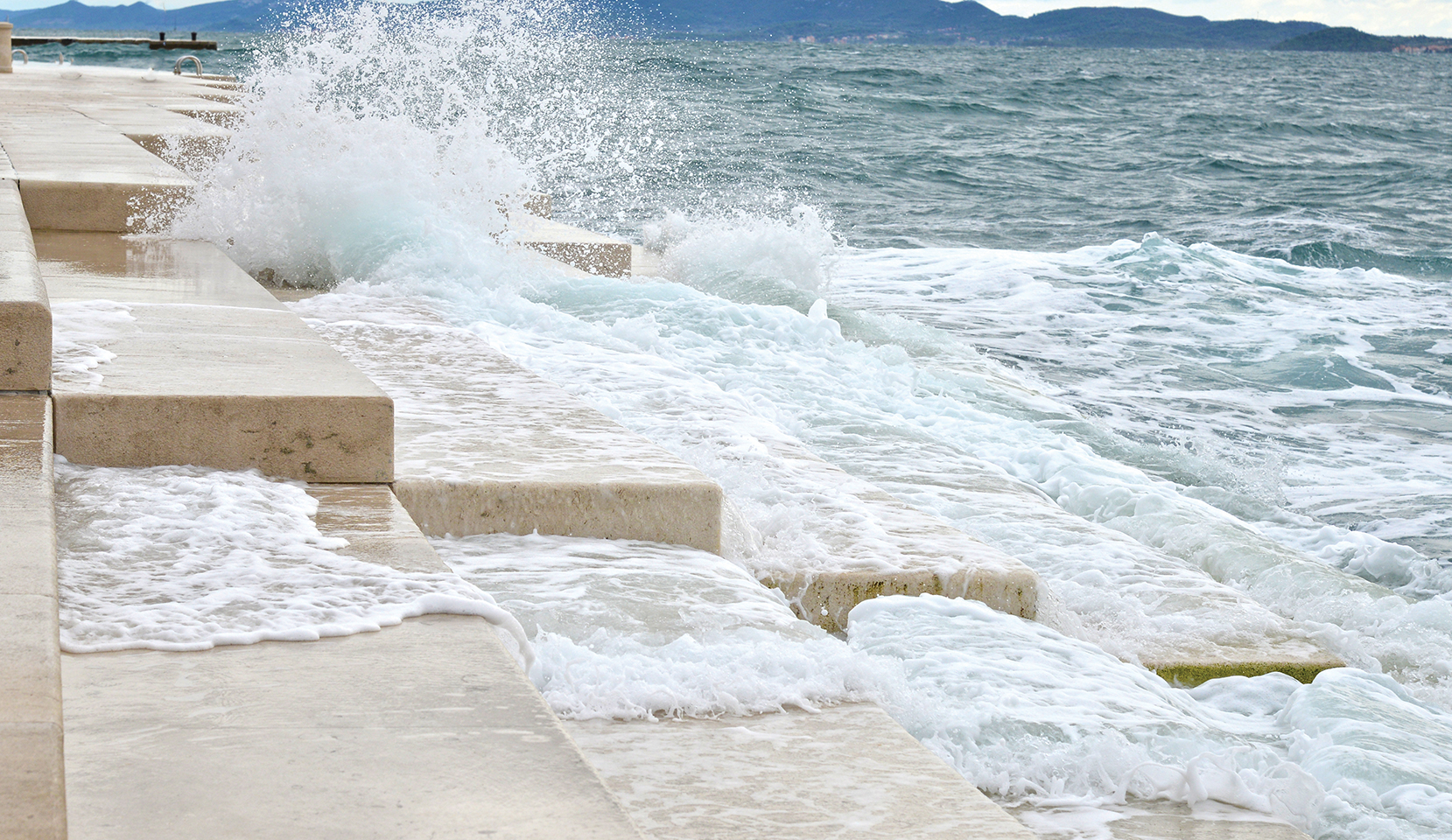
The Sea organ (Croatian: Morske orgulje) is an architectural sound art object located in Zadar, Croatia and an experimental musical instrument, which plays music by way of sea waves and tubes located underneath a set of large marble steps.
LEARN MORE
Natural Beauty
The Island of Ugljan
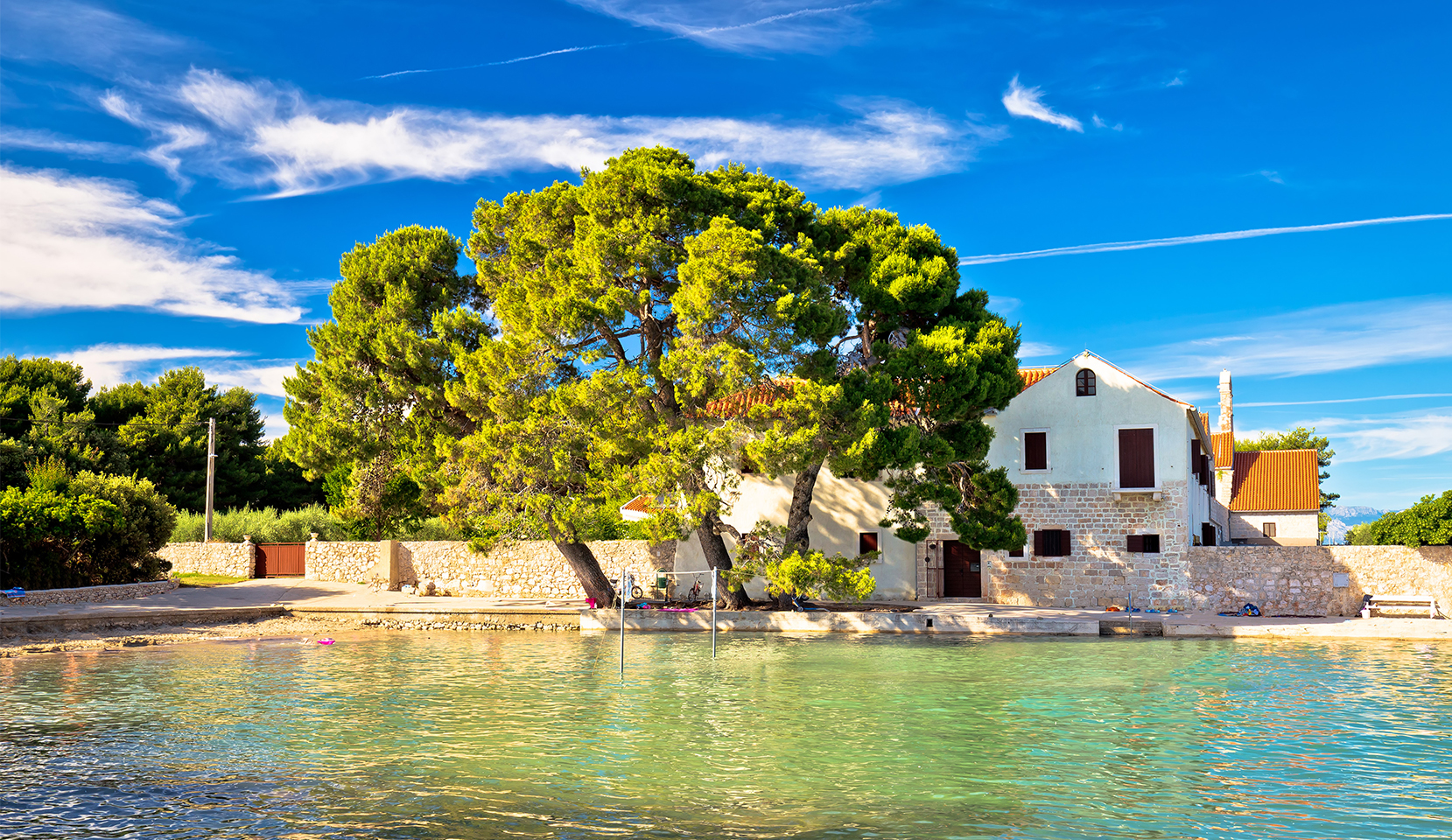
The Island of Ugljan is situated opposite to Zadar, only 3 nautical miles of the city harbor. It has always been covered with lush vegetation - evergreen pine forests, macchia, fig trees, vineyards and olive trees. The island has always been tied to the sea, sailing and fishing, and a 2000 years old tradition of olive growing has left hundreds of thousands of olive trees that produce olive oil of exceptional quality and flavor. The remains from the Roman era, old Croatian churches, monasteries, stone island architecture and numerous villas, bear witness to early human h

LEARN MORE
Natural Beauty
Cerovac Caves
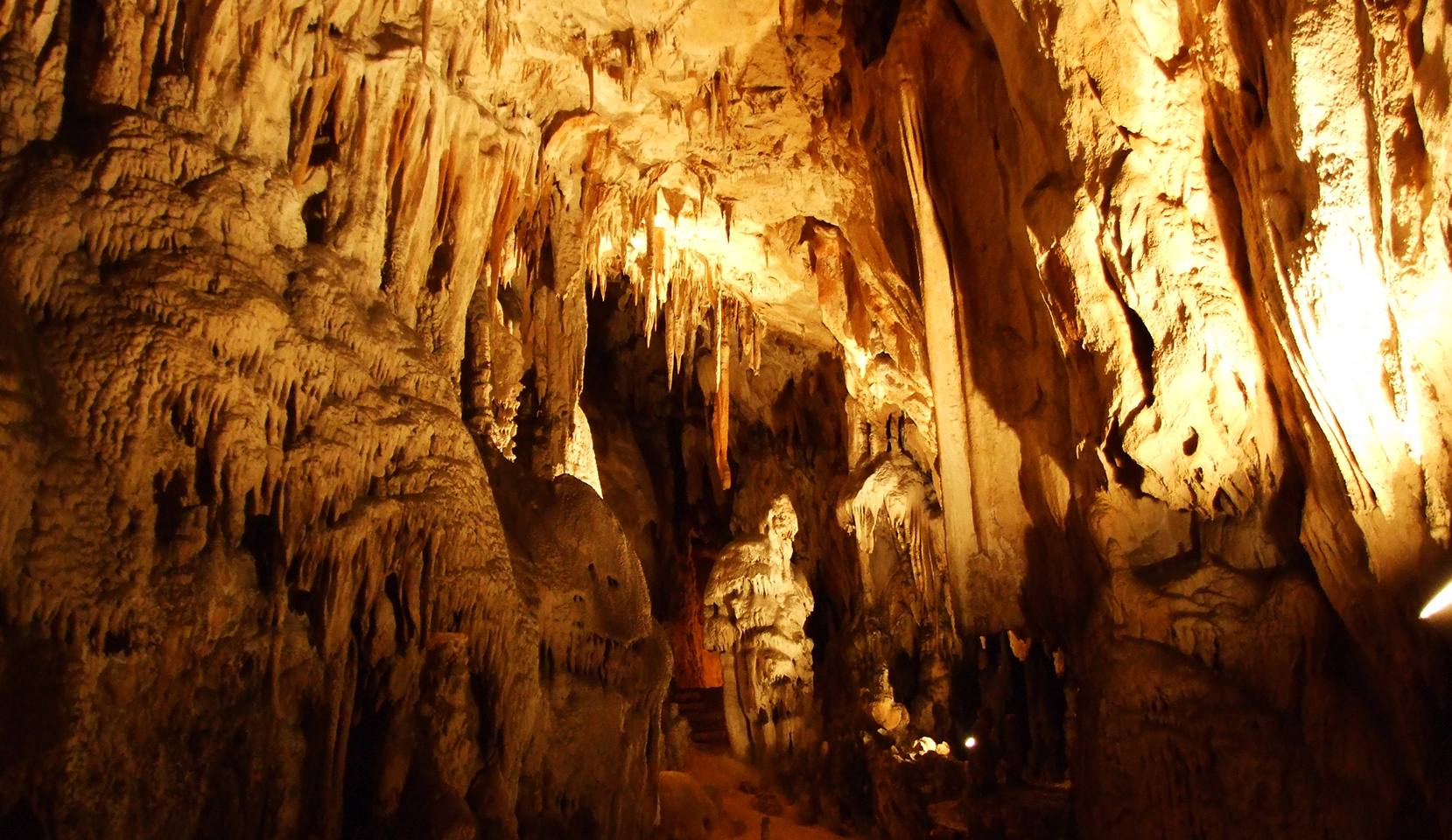
Among the most renowned and significant speleological structures are the Cerovac Caves, located in the southern part of "Velebit Nature Park". These caves abound in traces from the distant past. In addition to large quantities of archaeological findings, they are also among the largest discovery sites of the cave bear in Croatia . One may easily spot claw marks gorged into the cave walls as the bears moved against them.
LEARN MORE
Art & Museum
The Museum of Ancient Glass
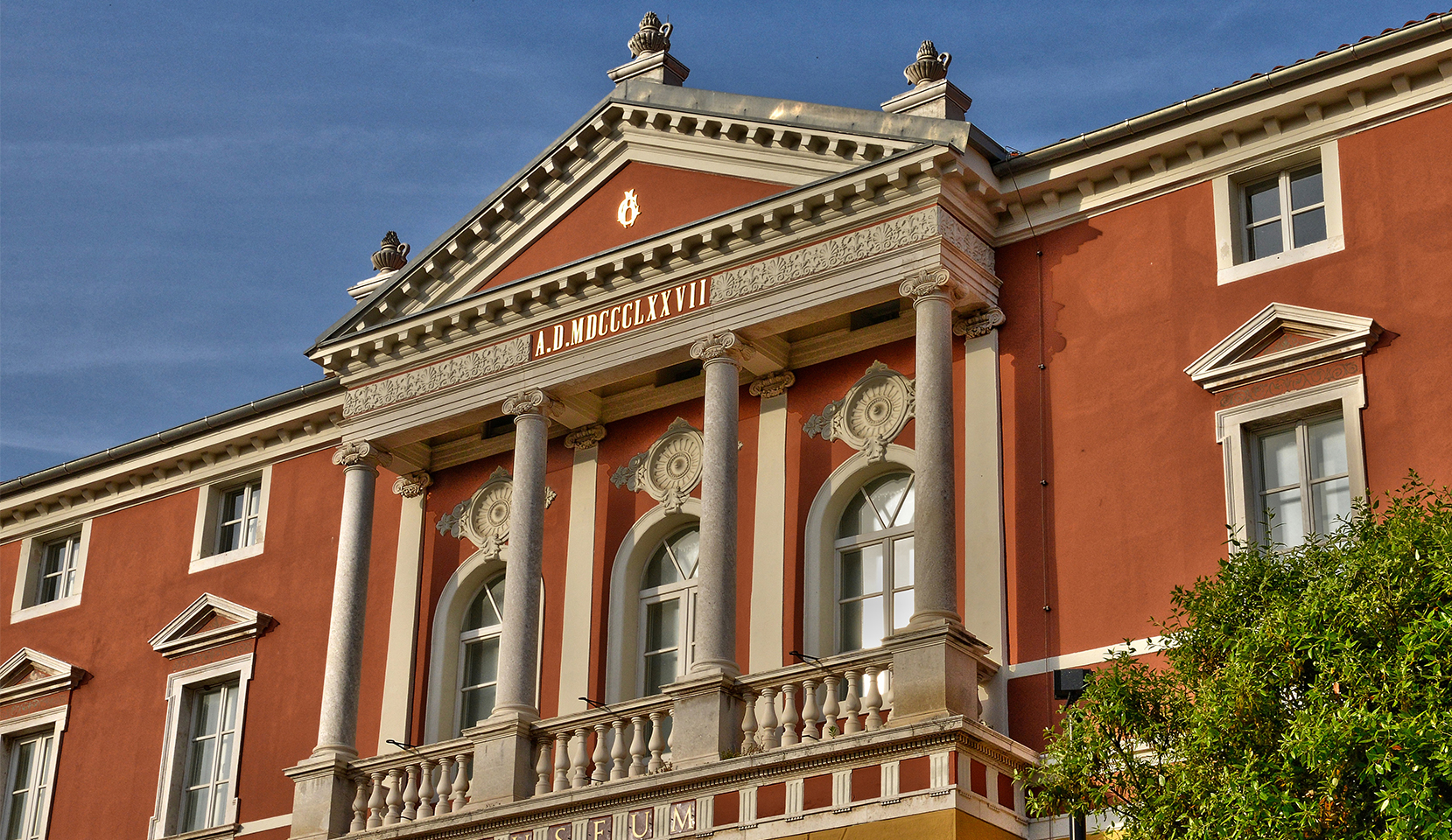
The museum is one of the city´s newest attractions. It´s housed in the 19th century Cosmacendi Palace and has some outstanding views that overlook the Jazine harbour. The museum contains one of the premium collections of Roman glassware outside Italy, with a cornucopia of goblets, jars and vials retrieved from archaeological sites across Dalmatia. Highlights include the delicate vessels used by Roman ladies to store perfumes, skin creams and essential oils. Also look out for glass cups used to celebrate Mass, and dainty flasks in which holy water was stored. Take the op
LEARN MORE
Monument & Historical Site
People’s Square
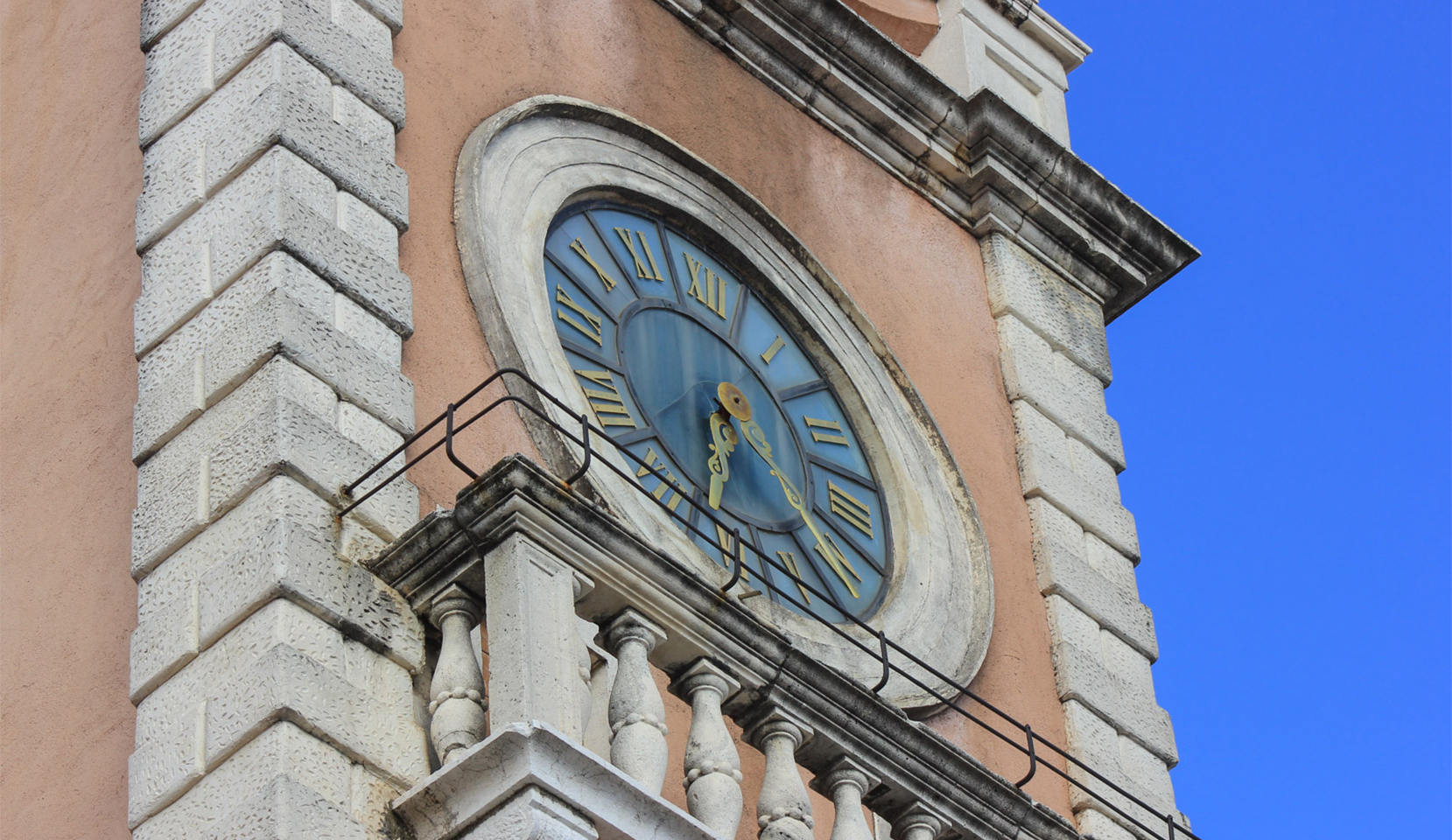
Since its Medieval origins Narodni Trg (People's Square) has been the core of Zadar's public life. Dominating the westerns side of the square, the City Guard dates back to the 1562 and it's crested by a 19th-century clock tower. Nearby, St. Lawrence church is the oldest preserved building of the town, while the Loggia on the opposite side is now a venue for exhibitions.
LEARN MORE
Monument & Historical Site
The Church of St Donatus
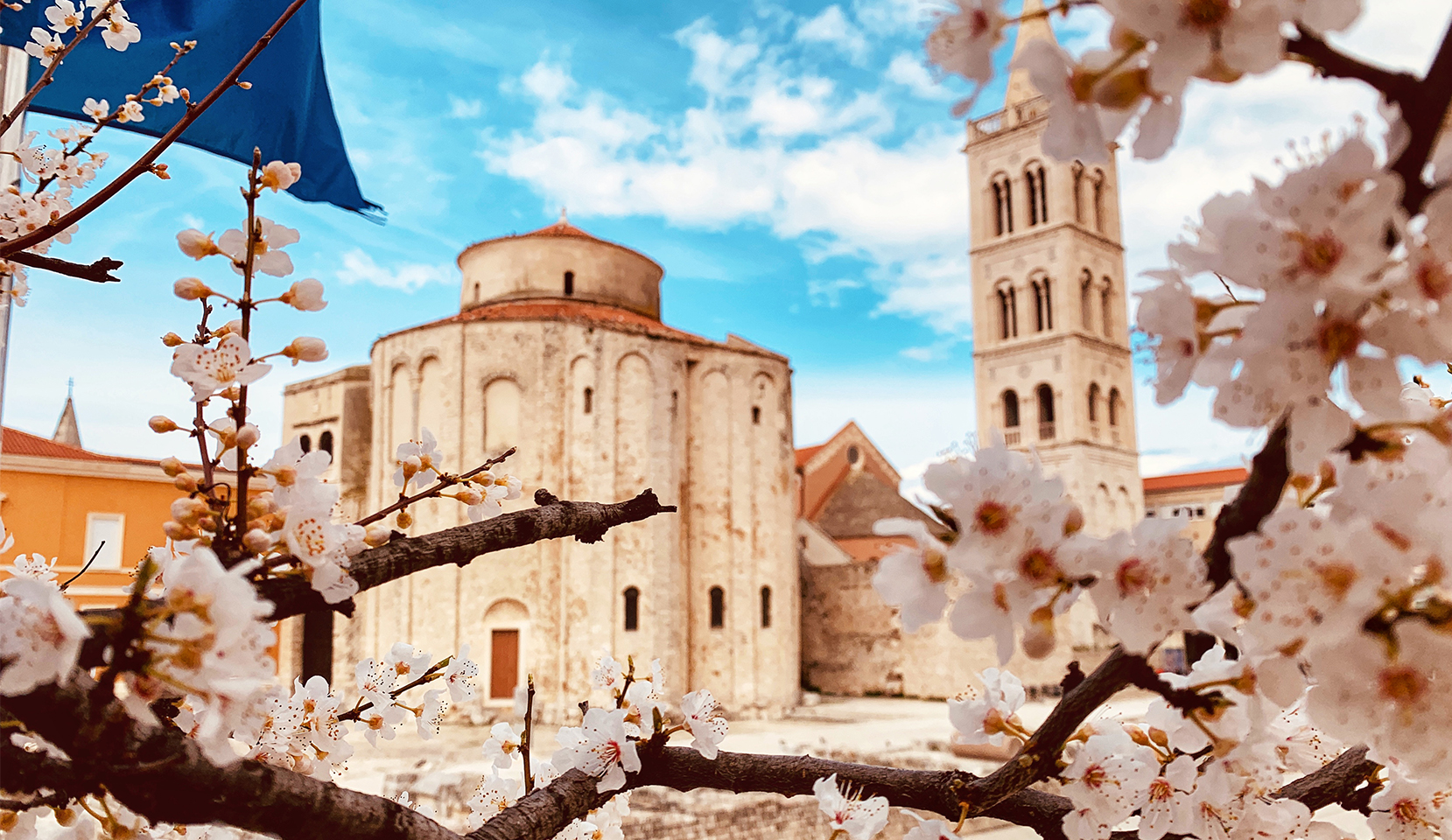
The Church of St Donatus is a church located in Zadar, Croatia. Its name refers to Donatus of Zadar, who began construction on this church in the 9th century and ended it on the northeastern part of the Roman forum. Originally named Church of the Holy Trinity, in the 15th century it was re-dedicated to St Donatus.
LEARN MORE
Modern Attraction
Monument of the Sun
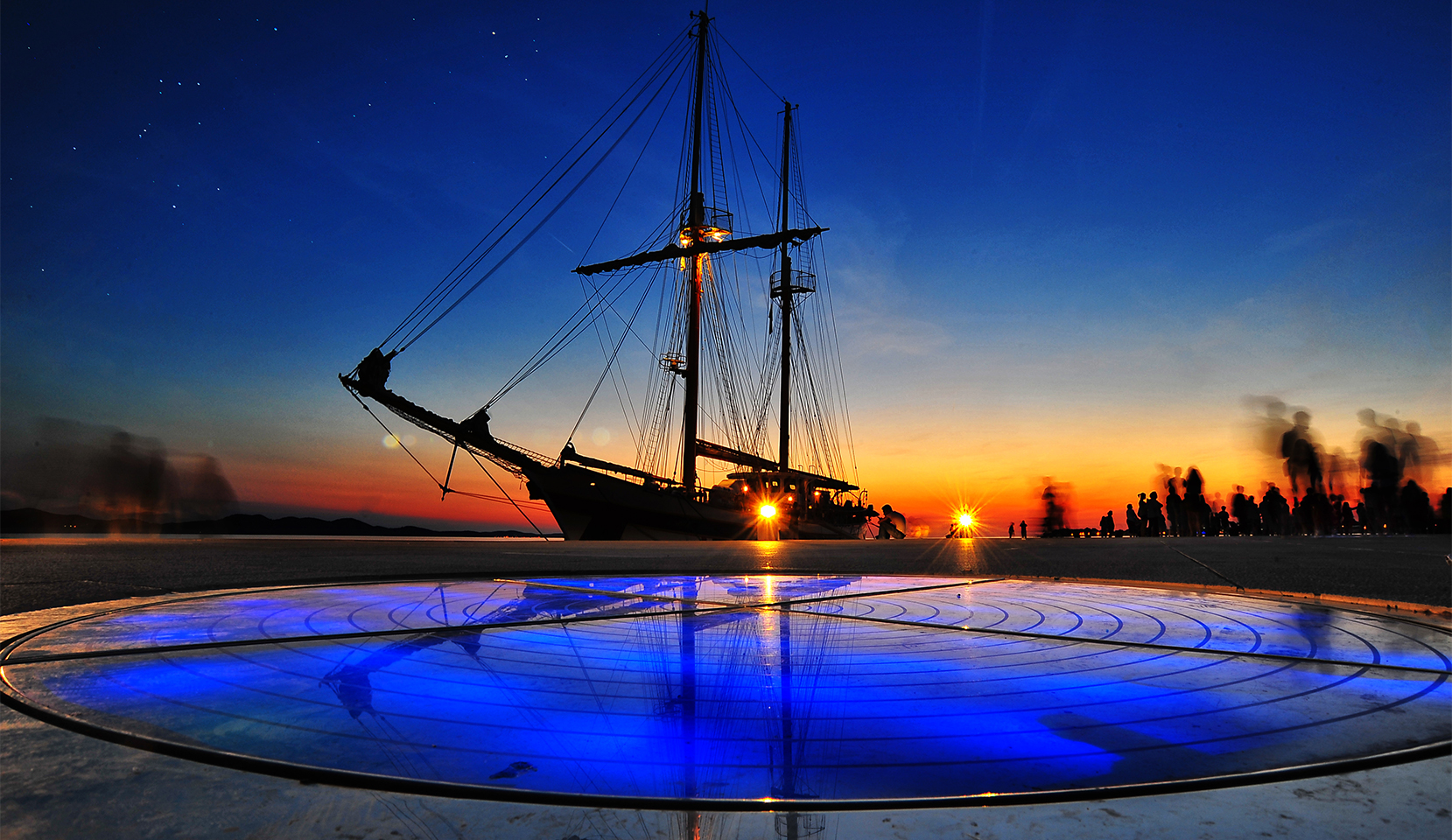
Monument to the Sun or The Greeting to the Sun (Croatian: Pozdrav suncu) is a monument in Zadar, Croatia dedicated to the Sun. It consists of three hundred, multi-layered glass plates placed on the same level as the stone-paved waterfront.
LEARN MORE
Monument & Historical Site
Zadar Cathedral
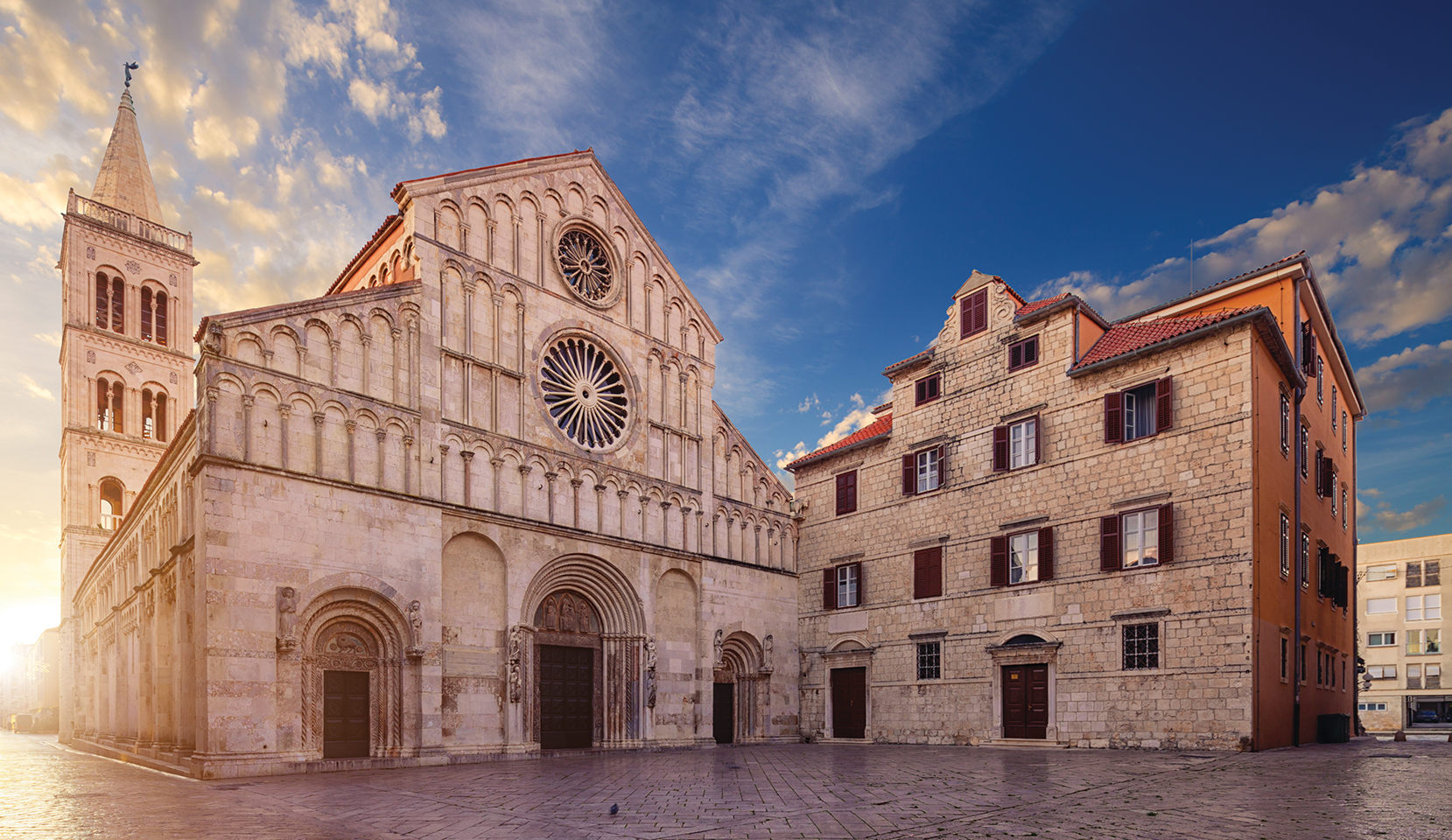
The biggest cathedral in Dalmatia. Its oldest parts are an early Christian basilica, but its present Romanesque appearance was shaped in the 12th century. During the crusaders´ siege and conquest of the city in 1202, the Cathedral was damaged, but later it was reconstructed and made longer.
LEARN MORE
Modern Attraction
Land Gate
The best-known of the gates along the walls that ring Zadar is the Land Gate, once the main entrance to the city. If you only have time to see one of the gates—the Sea Gate, the Bridge Gate, and St. Rocco's Gate are also popular—this is the one. Located by the Foša harbor with views of the water, it was built by the Venetian architect Michele Sanmicheli in 1543 and features a huge triumphal arch and two side arches, all decorated with images of Zadar's patron saint, Chrysogonus. The winged lion of St. Mark hovering over the central arch is a reminder of Venice's long ru
LEARN MORE
Modern Attraction
Sea Organ
The Sea organ (Croatian: Morske orgulje) is an architectural sound art object located in Zadar, Croatia and an experimental musical instrument, which plays music by way of sea waves and tubes located underneath a set of large marble steps.
LEARN MORE
Natural Beauty
The Island of Ugljan
The Island of Ugljan is situated opposite to Zadar, only 3 nautical miles of the city harbor. It has always been covered with lush vegetation - evergreen pine forests, macchia, fig trees, vineyards and olive trees. The island has always been tied to the sea, sailing and fishing, and a 2000 years old tradition of olive growing has left hundreds of thousands of olive trees that produce olive oil of exceptional quality and flavor. The remains from the Roman era, old Croatian churches, monasteries, stone island architecture and numerous villas, bear witness to early human h
LEARN MORE
Natural Beauty
Cerovac Caves
Among the most renowned and significant speleological structures are the Cerovac Caves, located in the southern part of "Velebit Nature Park". These caves abound in traces from the distant past. In addition to large quantities of archaeological findings, they are also among the largest discovery sites of the cave bear in Croatia . One may easily spot claw marks gorged into the cave walls as the bears moved against them.
LEARN MORE
Art & Museum
The Museum of Ancient Glass
The museum is one of the city´s newest attractions. It´s housed in the 19th century Cosmacendi Palace and has some outstanding views that overlook the Jazine harbour. The museum contains one of the premium collections of Roman glassware outside Italy, with a cornucopia of goblets, jars and vials retrieved from archaeological sites across Dalmatia. Highlights include the delicate vessels used by Roman ladies to store perfumes, skin creams and essential oils. Also look out for glass cups used to celebrate Mass, and dainty flasks in which holy water was stored. Take the op
LEARN MORE
Monument & Historical Site
People’s Square
Since its Medieval origins Narodni Trg (People's Square) has been the core of Zadar's public life. Dominating the westerns side of the square, the City Guard dates back to the 1562 and it's crested by a 19th-century clock tower. Nearby, St. Lawrence church is the oldest preserved building of the town, while the Loggia on the opposite side is now a venue for exhibitions.
LEARN MORE
Monument & Historical Site
The Church of St Donatus
The Church of St Donatus is a church located in Zadar, Croatia. Its name refers to Donatus of Zadar, who began construction on this church in the 9th century and ended it on the northeastern part of the Roman forum. Originally named Church of the Holy Trinity, in the 15th century it was re-dedicated to St Donatus.
LEARN MORE
Modern Attraction
Monument of the Sun
Monument to the Sun or The Greeting to the Sun (Croatian: Pozdrav suncu) is a monument in Zadar, Croatia dedicated to the Sun. It consists of three hundred, multi-layered glass plates placed on the same level as the stone-paved waterfront.
LEARN MORE
Monument & Historical Site
Zadar Cathedral
The biggest cathedral in Dalmatia. Its oldest parts are an early Christian basilica, but its present Romanesque appearance was shaped in the 12th century. During the crusaders´ siege and conquest of the city in 1202, the Cathedral was damaged, but later it was reconstructed and made longer.
LEARN MORE